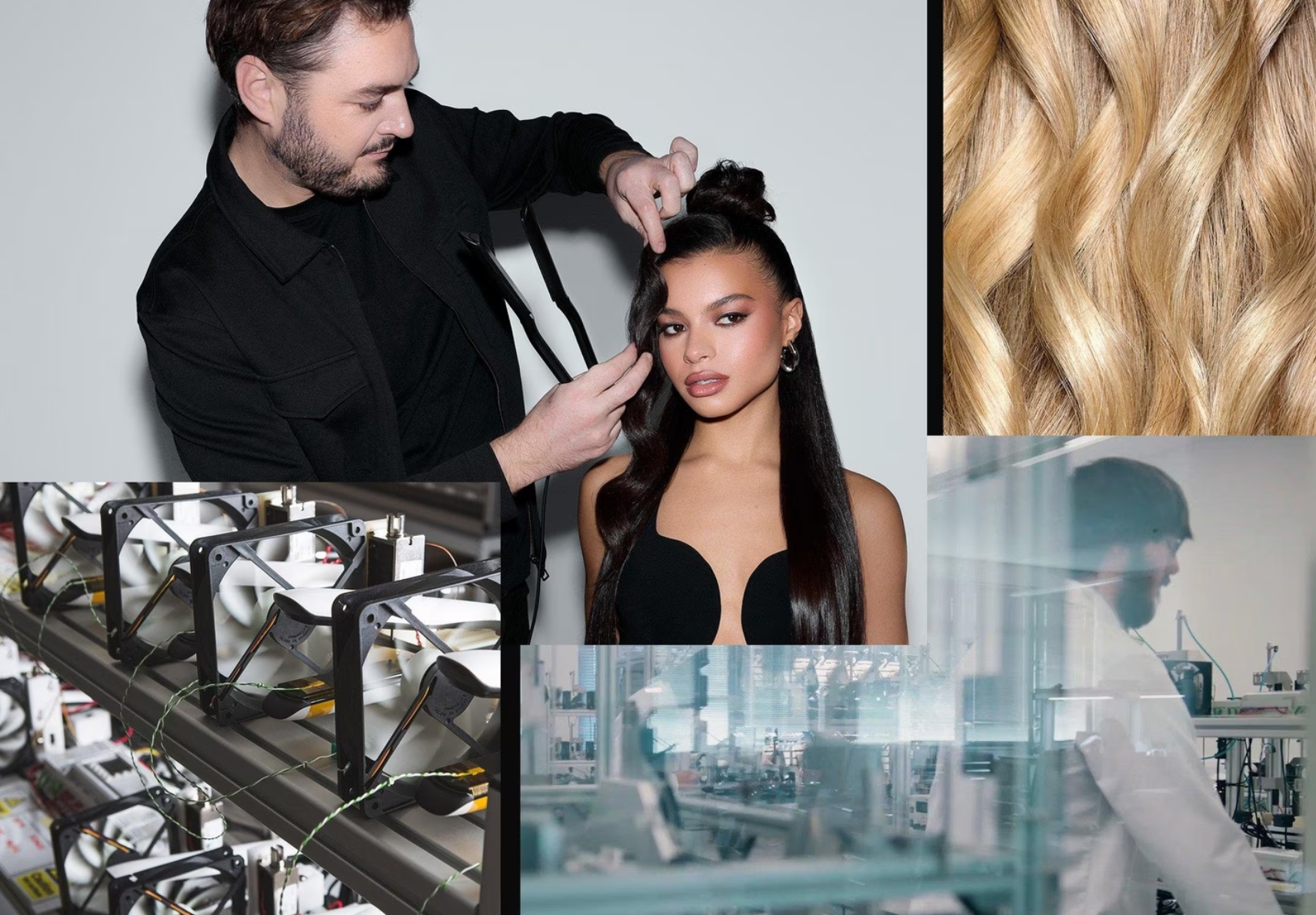
If you’ve been anywhere on Instagram or TikTok recently, you’ve probably seen my latest video testing out the newly launched ghd Sculpt. If not I’ve dropped them both here so you can watch them:
@techgirlza Let me explain the tech in the ghd sculpt. I’m taking all the marketing talk and making sure you know how this ACTUALLY works. No available from @ghd south africa ♬ original sound – Sam “Tech Girl” Wright
View this post on Instagram
Whenever a beauty tech giant drops a new styler with buzzwords like “AI-powered” and “Zero Heat Damage”, my tech-senses immediately start tingling. Is there actual hardware engineering happening inside this wand, or are we just paying a premium for clever marketing? I took a deep dive into the specs, tested the tool on my own hair, and broke down how the technology actually works behind the scenes.
Plate Temperature vs. Hair Temperature
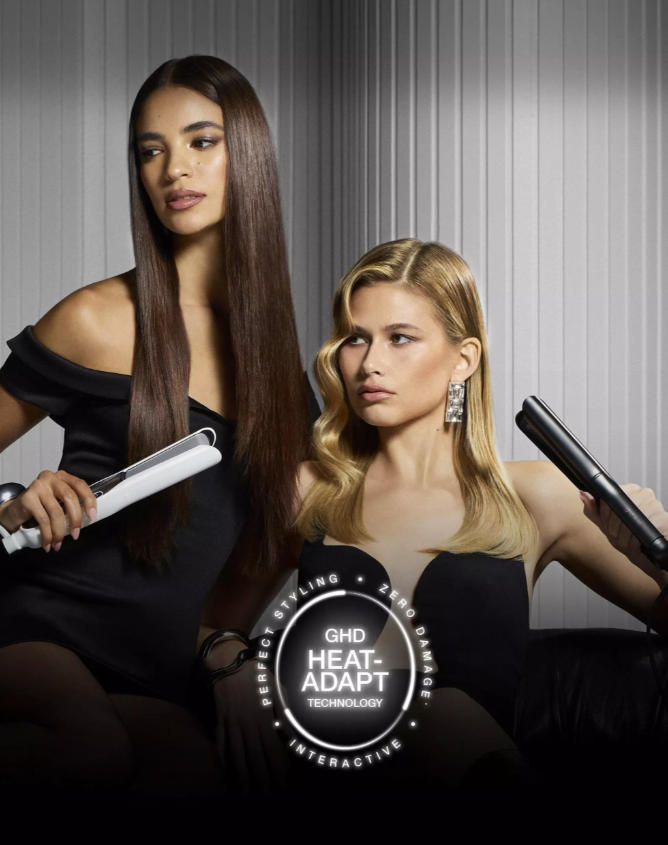
The biggest takeaway and the core philosophy behind the ghd Sculpt is a shift in focus. Traditional hair straighteners work by locking their ceramic or metallic plates at a fixed temperature and hoping for the best. The Sculpt flips that logic on its head: it measures and manages the temperature of your hair, not just the plates.
Here is how that breaks down in real life:
1. High-Frequency Thermal Scanning (2,900 Measurements/Sec)
To give you some context, ghd’s previous flagship smart tool, the Platinum+, checked temperature 250 times per second. The Sculpt takes 2,900 readings every single second across four key input variables:
Section density: How much hair is clamped between the plates.
Glide speed: How fast or slow you pull the tool down the strand.
Angle & movement: Whether you’re creating sleek straight passes or rolling ribbon curls.
Thermal absorption: How rapidly heat is transferring out of the plates and into your hair.
2. Dynamic Heat Adjustment (Never Over 185°C)
185°C is widely recognized in hair science as the optimal temperature to soften keratin matrix proteins so hair can be reshaped. Anything higher melts the internal protein core, leading to permanent damage and loss of curl memory. Instead of keeping the plates stuck at a static 185°C—which can still cause hot spots on thin sections—the Sculpt constantly dials power up or down in real time. If you take a thick section or move quickly, it boosts power to reach that target temp. If you move slowly or clamp a fine section, it immediately dials back so your hair never exceeds 185°C.
Design & Hardware Upgrades
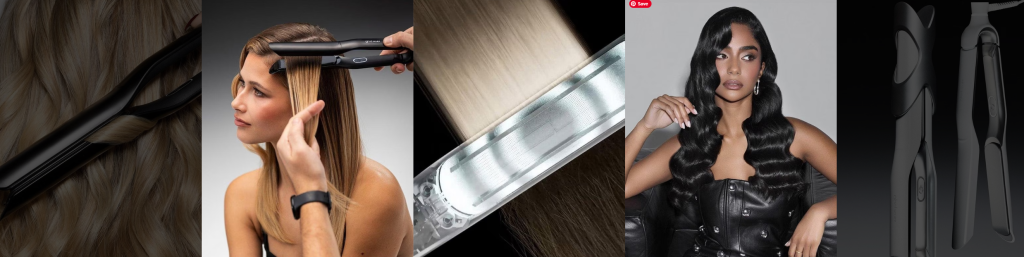
Sensors aside, ghd made a few notable physical architecture updates that change how the styler feels during use:
Offloaded Power Hardware: Heavy internal components were moved out of the handle and into the wall cord assembly, making the wand remarkably lightweight and comfortable to maneuver.
Waterfall Plates: The ultra-slim Infinity™ plates feature rounded, curved edges to eliminate harsh snagging when styling curls or waves near the root.
Real-Time Adaptation: A closed-loop feedback system adapts instantly pass-by-pass without needing to “learn” or save user profiles.
The Verdict: Is It Worth It?
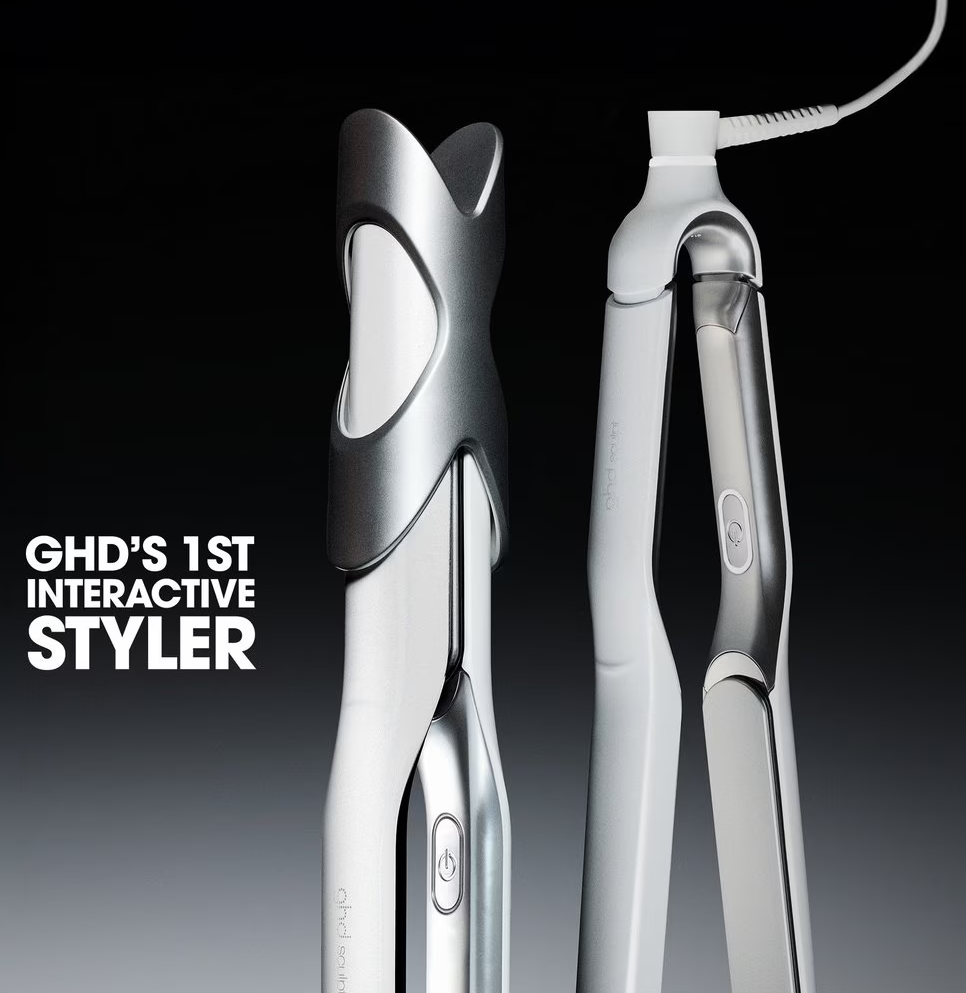
If you were expecting an AI that remembers your name or learns your styling habits over time, you can drop that expectation now, there’s no saved memory or neural network inside. However, as far as hardware engineering goes, the dynamic heat regulation and high-speed sensor response are genuine steps forward. It glides effortlessly, eliminates heat spikes, and delivers smooth, healthy-looking styles in a single pass.

