I’ve worked in PUBG esports for a long time. I’ve desk hosted the PUBG Europe League for years. I’ve commentated and hosted PUBG MOBILE events. I was involved in the launch of PUBG MOBILE servers locally. I’ve been in the trenches, on the broadcast, behind the scenes, and in front of global audiences carrying a South African flag whether anyone asked me to or not. And yet, locally? I often find out about PUBG MOBILE initiatives in Africa the same way the public does: when the press release lands. That’s not bitterness, it’s context. And it matters, because when something genuinely good happens in this space, it deserves to be amplified properly. Which brings me to a campaign PUBG MOBILE recently ran that is worth shouting about.
A paid brief that actually means something
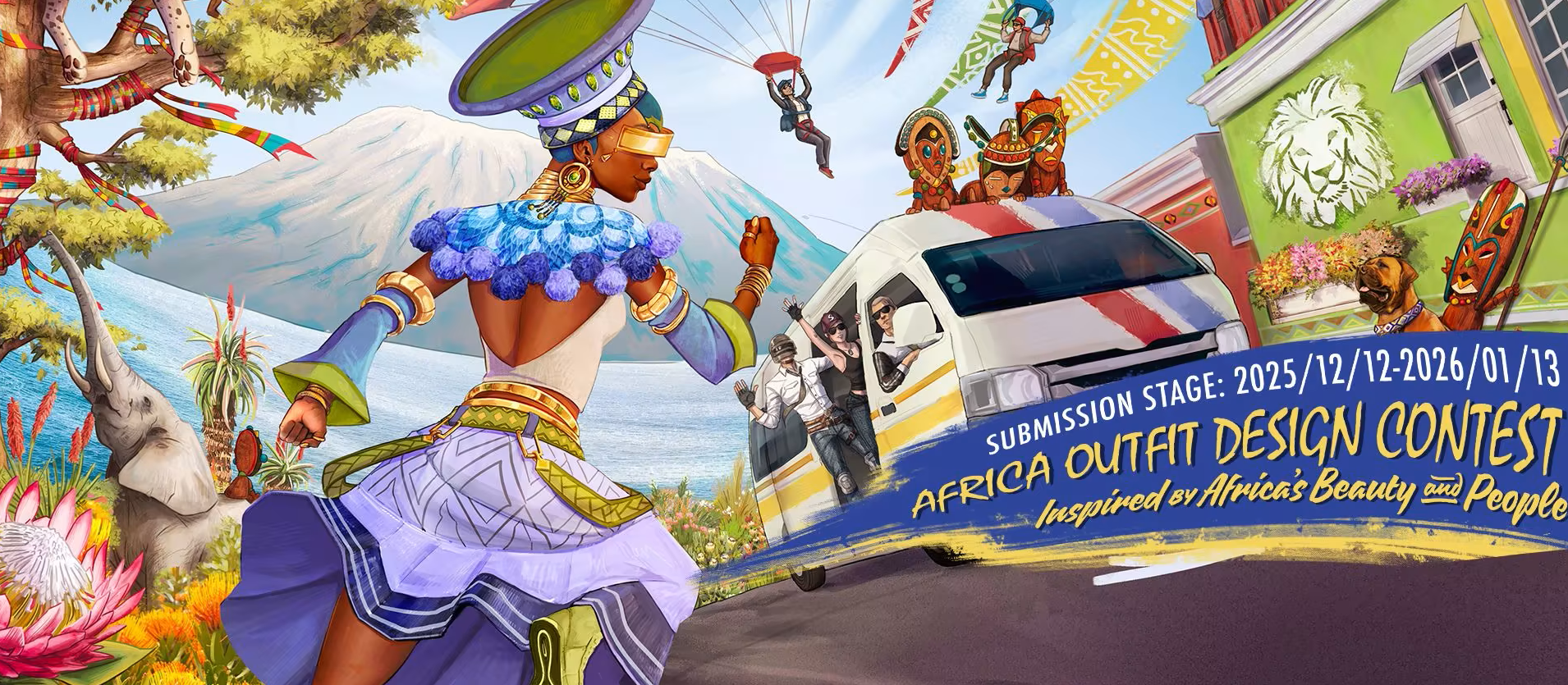
Each year when matric results are released, we all ask the same question: what now? Especially for creatives, where talent is abundant but access is not. This is where gaming, and specifically PUBG MOBILE, is quietly doing something right. Through a collaboration with the Academy of Digital Arts (ADA), PUBG MOBILE invited young African artists to work on a real, professional, paid design brief as part of its global Ptopia Design Project (PDP). Not a speculative exercise. Not “do this for exposure”. Actual paid work, with credit, visibility, and global reach. The result? A key visual inspired by African narratives and cultural references that went on to generate over 7.5 million impressions globally across in-game placements, digital platforms and social media. That is not small. That is not symbolic. That is career-shaping.
Representation done properly
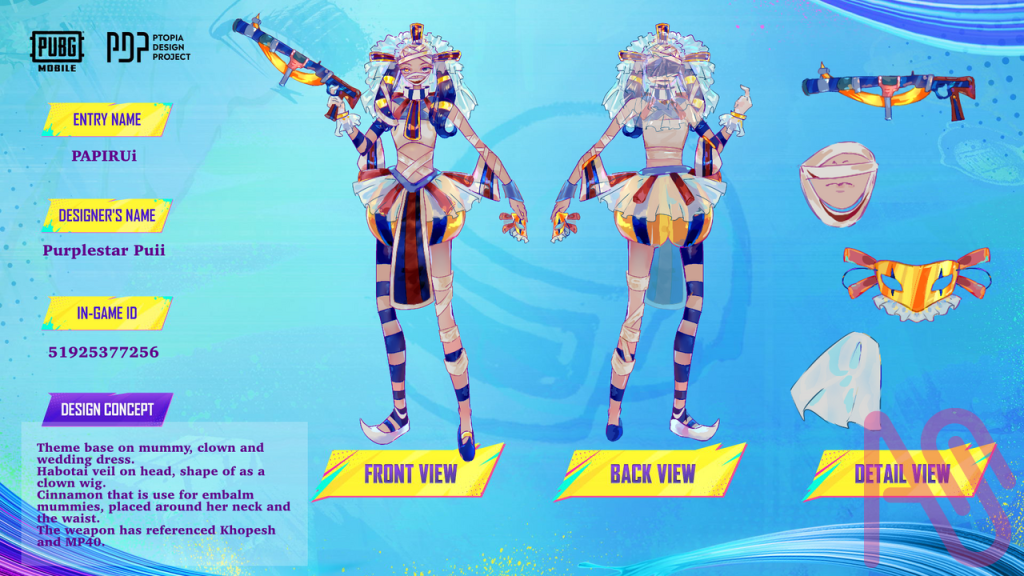
The illustration created by Chiedza Davies, Marisa Schulz, Pablo Elliott and Roelien van Jaarsveld, didn’t flatten African identity into a vague aesthetic. It was layered, specific, and rooted in lived experience. African stories are often told about us rather than by us. This project flipped that dynamic, and the artists were credited, paid, and publicly showcased which reinforces that creative work has economic value, not just cultural value. As Carla Kirsten, Concept Art Head of Department at ADA, put it: being associated with a platform of this scale doesn’t just look good in a portfolio, it puts young artists in front of an international audience at a critical moment in their careers. This is what meaningful access looks like.
Too often, young creatives are asked to trade skill for “visibility”. PUBG MOBILE didn’t do that here. This was a professional brief with professional expectations and professional compensation. And for some of the artists involved, it was their first paid job. That kind of validation changes how you see yourself. It changes how you pitch. It changes what you believe is possible. Projects like this don’t just help individuals, they raise the bar for how global brands should work with African talent.
The bigger picture
PUBG MOBILE’s broader initiatives, like its Africa Rising Designer programme, show a clear intent to support a sustainable African creative ecosystem. According to Brian Gu, Head of PUBG MOBILE Africa, the goal is to create real opportunities that help young creatives transition into the industry while ensuring African stories are represented globally with authenticity and respect. That vision deserves visibility. Because when gaming gets it right, it doesn’t just entertain, it opens doors. And those doors should be visible to everyone who’s ready to walk through them.

